
What Happens If You Damage a Rental Boat, and Who Pays?
If you damage a rental boat, you may be responsible for repair costs. What happens if you damage a rental boat depends on the rental agreement, the cause of the damage, and any applicable waiver or coverage. Pre-existing damage and ordinary wear and tear are treated differently from damage caused during your rental. A security deposit may go toward repairs, but it may not cap what you owe.
Even a minor scrape or damaged piece of equipment can raise practical questions when you return the boat. It helps to understand how the agreement, deposit, and damage waiver fit together before you head out. This guide explains who may pay, what commonly happens with repair costs, and how waivers and deductibles can affect your responsibility. It also covers common damage scenarios and what to do after an incident, so you can enjoy your time on the water with a clearer picture of the risks.
Table of Contents
What happens if I damage the rental boat during King’s Day?
State rules can differ, but the rental agreement sets out your obligations for a booking. If damage occurs, the contract, its exclusions, and any applicable insurance help determine who pays.
Coverage in Rental Agreements
A rental agreement explains your responsibilities and any insurance or damage waiver that applies to the boat. Read the terms carefully: a deposit or waiver may not cover every kind of damage.
Before departure, review the sections on damage, authorized operators, exclusions, deductibles, and reporting. A contract might explain how a collision claim is handled while excluding intentional damage. The exact wording determines what protection applies and which costs could remain yours.
Coverage arrangements differ between rentals. The agreement should explain whether coverage is included, optional, or separate from a damage waiver.
Credit Card Coverage and Boat Insurance Extensions
Credit card rental benefits often exclude boat collision coverage, and most personal insurance companies exclude rental boats. This includes most homeowners and personal auto policies. Don’t assume a card or household policy will pay for damage.
Personal boat insurance may extend to a rented vessel, but the policy wording determines whether it applies. Review the covered-vessel terms, liability limits, exclusions, and deductible. For example, liability coverage may not pay for physical damage to the rented boat.
Compare the rental agreement with your insurance documents before operating the boat. Check whether the rented vessel qualifies, which types of damage are covered, and whether coverage applies when someone else operates it. A credit card benefit and a boat-policy extension are separate from the rental terms, not automatic substitutes for them.
Damage Waivers and Contract Variations
A damage waiver changes how the rental company handles certain damage costs, but it doesn’t necessarily remove your responsibility. Boat rental waivers usually exclude gross negligence, intoxicated operation, and intentional damage. If an exclusion applies, you may remain liable even after accepting the waiver.
State rules and rental agreements can affect authorized operators, required coverage, and claim procedures. One agreement may require every operator to be named, while another may limit protection to the person who signed. These differences matter if a friend takes the helm and an incident occurs.
Before departure, check the waiver’s exclusions and deductible, and confirm who may operate the boat. If damage occurs, photograph it, record what happened, and contact the rental company promptly. Clear details help establish the circumstances and how the agreement applies.
Renter responsibility for boat damage
A renter is generally responsible for damage caused during the rental, unless it was pre-existing, normal wear and tear, or beyond the renter’s control. The agreement and circumstances help distinguish damage caused during operation from a condition that existed beforehand. A dated handoff record can help document the boat’s condition at the start.
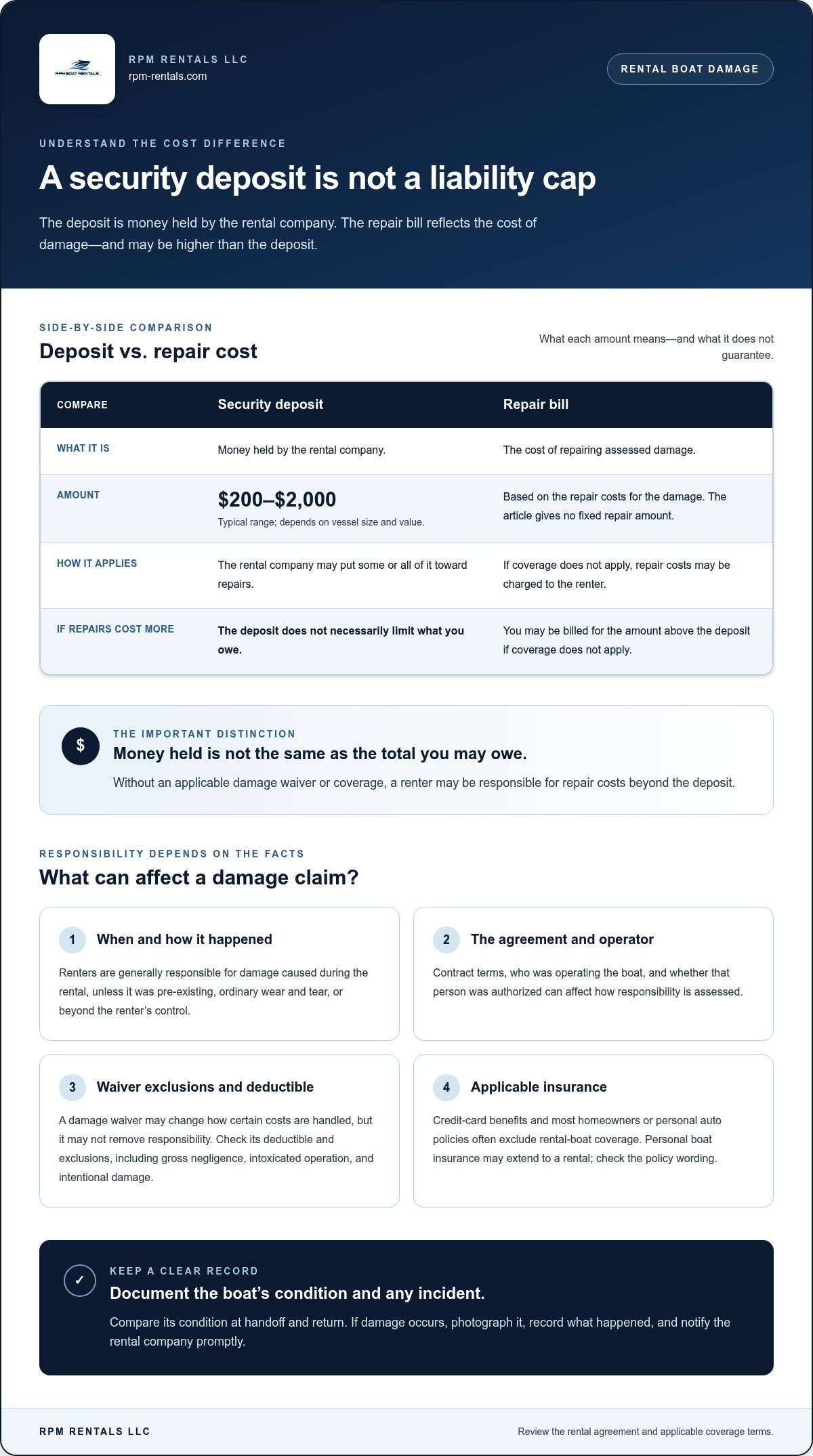
Your responsibility can exceed the security deposit. Without a damage waiver, you may be liable for all damage to the boat, even if repairs cost more than the deposit. The deposit is not necessarily a liability cap. If repair costs exceed the amount held, you may still be billed for the balance.
Claims often depend on what happened, who was operating the boat, and whether their actions caused the damage. A renter who strikes a dock while steering may face a different assessment from one who discovers a fitting that was already damaged. Inspection records, the rental agreement, and accounts of the incident can help clarify responsibility.
Operating the boat doesn’t automatically mean you caused every problem. A mechanical issue, hidden hazard, or pre-existing defect may affect how a claim is assessed. By contrast, ignoring operating instructions or using the boat outside the agreement’s terms may support a claim that you are responsible. The cause of the damage and the contract terms are central.
What happens if you damage a rental boat while boating under the influence? A damage waiver usually excludes intoxicated operation, so it may not protect you from resulting costs. Responsibility depends on the agreement’s exclusions and the circumstances of the incident.
Keep responsibilities clear when several people are aboard. If a friend operates the boat and causes damage, the named renter may still face a claim under the agreement, particularly if that operator was not authorized. A verbal arrangement between friends does not change the contract with the renter.
When a claim arises, distinguish among the types of loss. Physical damage to the boat, damage to someone else’s property, and an injury are separate issues. A waiver or insurance policy may cover one without covering the others. For example, protection for damage to the rented boat does not automatically cover an injury claim.
After an incident, keep the rental agreement and all written communication about the claim. Describe what happened accurately, including who was at the controls and what occurred just beforehand. Clear details help distinguish renter-caused damage from wear, pre-existing conditions, or events outside your control.
Security deposits and repair costs
A deposit is money held by the rental company; a repair bill reflects the cost of damage. Understanding how the deposit is applied helps you see what may be deducted and what could remain due.
Deposits and Excess Amounts
Boat rental security deposits typically range from $200 to $2,000, depending on the vessel’s size and value. The amount matters, but it doesn’t necessarily limit what you owe. A rental company may apply the full deposit toward repairs, then bill you for costs that exceed it if coverage doesn’t apply.
For example, if assessed repairs cost more than the deposit, you may still be charged the balance. Treat the deposit as security, not as a guaranteed maximum liability.
After an undamaged return and inspection, deposits are typically refunded within a few days. If damage is found, the company assesses it and may deduct repair costs instead. Keep the return record and any damage notes so you can compare the boat’s condition at handoff with its condition after use.
Before signing, find out the deposit amount, how it may be used, and how excess costs are handled. These details matter even when damage seems minor. Understanding the agreement helps distinguish a temporary hold from the final amount charged.
Deductibles Versus Damage Deposits
A damage deposit is held by the rental company; a deductible is your share of a covered claim. Both can affect your out-of-pocket costs, but they serve different purposes.
A deposit may be applied to a repair bill, while a deductible sets the amount you pay under applicable coverage. The agreement explains whether the deposit is separate from the deductible or applied to the same loss. Read both terms together rather than assuming that paying one automatically satisfies the other.
Check what happens to the deposit if a claim is opened and how any deductible is collected. If repair costs are below the deductible, coverage may not contribute to that repair. If costs exceed it, the coverage terms and exclusions determine how the remaining amount is handled.
Keep the agreement, deposit receipt, inspection notes, and repair assessment. These records show the amount held and the reason for any deduction. If the final charge includes both a deposit deduction and a deductible, compare each item with the contract before settling the account.
Optional damage waivers and deductibles
An optional damage waiver can limit your responsibility for certain rental-boat damage, but the written terms define what it covers.
A waiver charge is separate from the boat rental itself. Options can differ, so compare what each covers rather than choosing by price alone.
A waiver is a contract provision that limits your financial responsibility for covered damage. It may not function like a standalone insurance policy or cover every loss. For example, a waiver may reduce what you owe for accidental damage while retaining exclusions or a deductible.
The deductible is the amount you’re responsible for under the waiver or coverage terms. A waiver can reduce your out-of-pocket responsibility without eliminating it. The agreement explains how the deductible applies and whether it is charged per incident or handled another way.
Read the waiver’s exclusions alongside its coverage description. Boat rental damage waivers usually exclude gross negligence, intoxicated operation, and intentional damage. If damage occurs in one of those circumstances, the waiver may not limit your liability. The rental agreement also determines how damage is assessed and any available protection applied.
Check which damage the waiver covers, who may operate the boat, and what the deductible applies to. Protection for accidental hull damage, for example, may not cover lost equipment or another person’s property. Consider each category separately before signing. The written terms explain more than the word “protection” alone.
A damaged boat may be unavailable for rent while repairs are underway. A damage waiver may cover lost rental revenue during that time, but the agreement determines whether it does. Look for terms on repair downtime, covered incidents, and exclusions, not only the deductible.
Before accepting a waiver, compare its per-day cost with the deductible and the losses it covers. Then check whether your personal policy or credit-card benefits apply to rental boats. Most personal policies and most credit cards exclude rental-boat coverage, so don’t count on them as a substitute without reviewing their terms.
Common rental boat damage scenarios
A propeller strike, grounding, upholstery tear, or lost anchor can each require a different repair. Identify the damaged part, document the incident, and report it promptly rather than treating every mark as the same kind of claim.
A propeller can be damaged by hitting an underwater object or another hard surface. If the boat loses power or starts vibrating after impact, stop operating it and contact the rental company. Continuing may make it harder to determine what the initial incident caused.
Running aground can affect more than the visible hull. Record where and how the boat made contact, then photograph any visible damage. A repair assessment can distinguish a scrape from damage below the waterline, which may require different work.
Scratches and gelcoat damage are another common scenario. Take one close-up photo and another showing the boat’s full side to document the mark’s location and size. Compare the images with any pickup condition records to distinguish a new scrape from an existing one.
Interior damage can also lead to a repair charge. Note the affected seat or surface and whether the damage is a tear, stain, or other mark. This gives the rental company a clearer starting point for assessing repairs.
Lost equipment differs from damage to the boat itself. Check the boat’s equipment before departure and report missing items at return. A clear handoff record helps establish whether the equipment was present when the rental began.
After an accident, photograph the damage, write down what happened, and contact the rental company promptly. Include the time, location, operating conditions, and any visible changes after impact. These details connect a repair assessment to the incident instead of relying only on a mark found later.
Repair time can affect both the rental company and the renter. A damaged boat may be unavailable for rent for a week while repairs are completed. Report the incident promptly and follow the agreement’s process, even if the damage looks minor.
For any incident, keep condition photos, a factual account, and a record of your report. A propeller impact, upholstery tear, and missing anchor each call for a different assessment, but prompt documentation helps clarify what happened and what needs repair.
RPM Rentals: Robalo R200 (21ft)
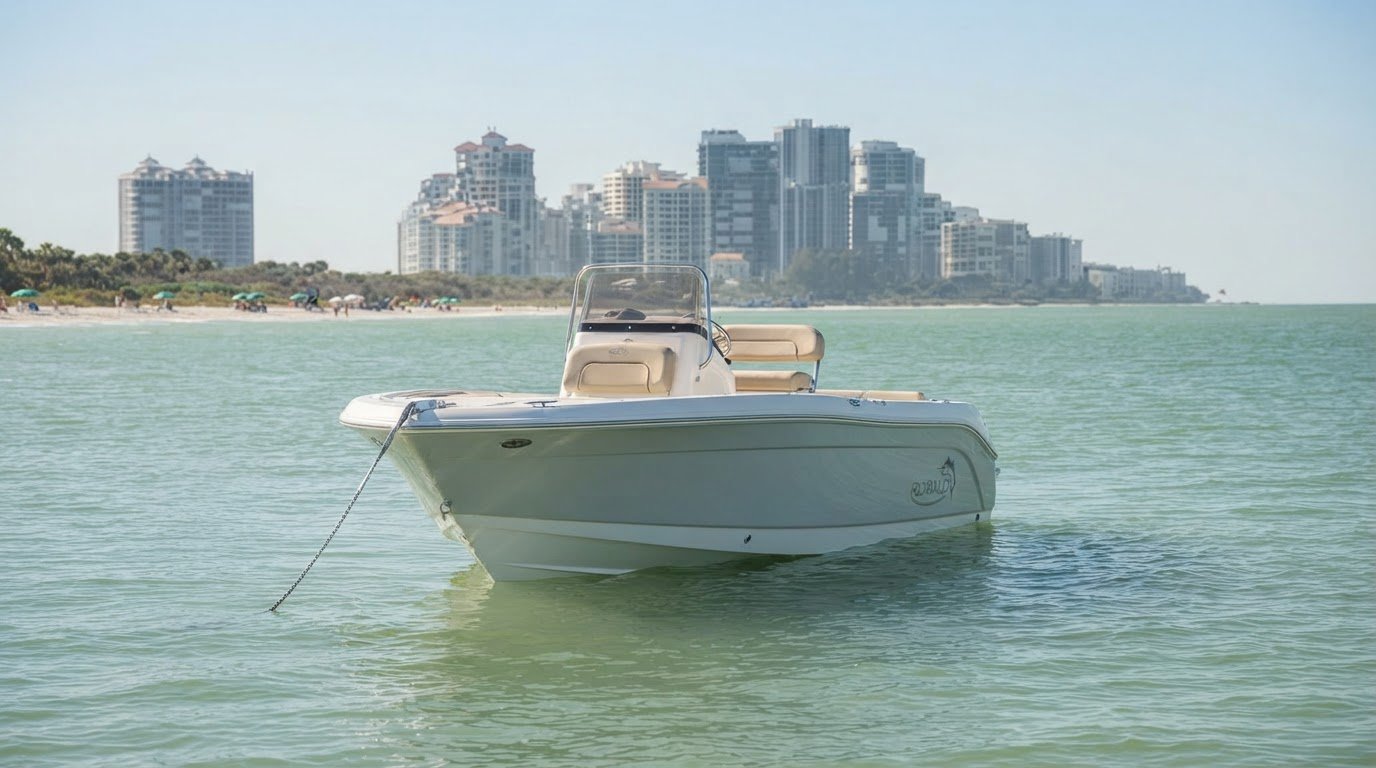
RPM Rentals LLC offers the Robalo R200 (21ft) for renters planning time on the water. Use what you’ve learned about damage responsibility to prepare: review the agreement, understand any waiver terms, and document the boat’s condition before departure.
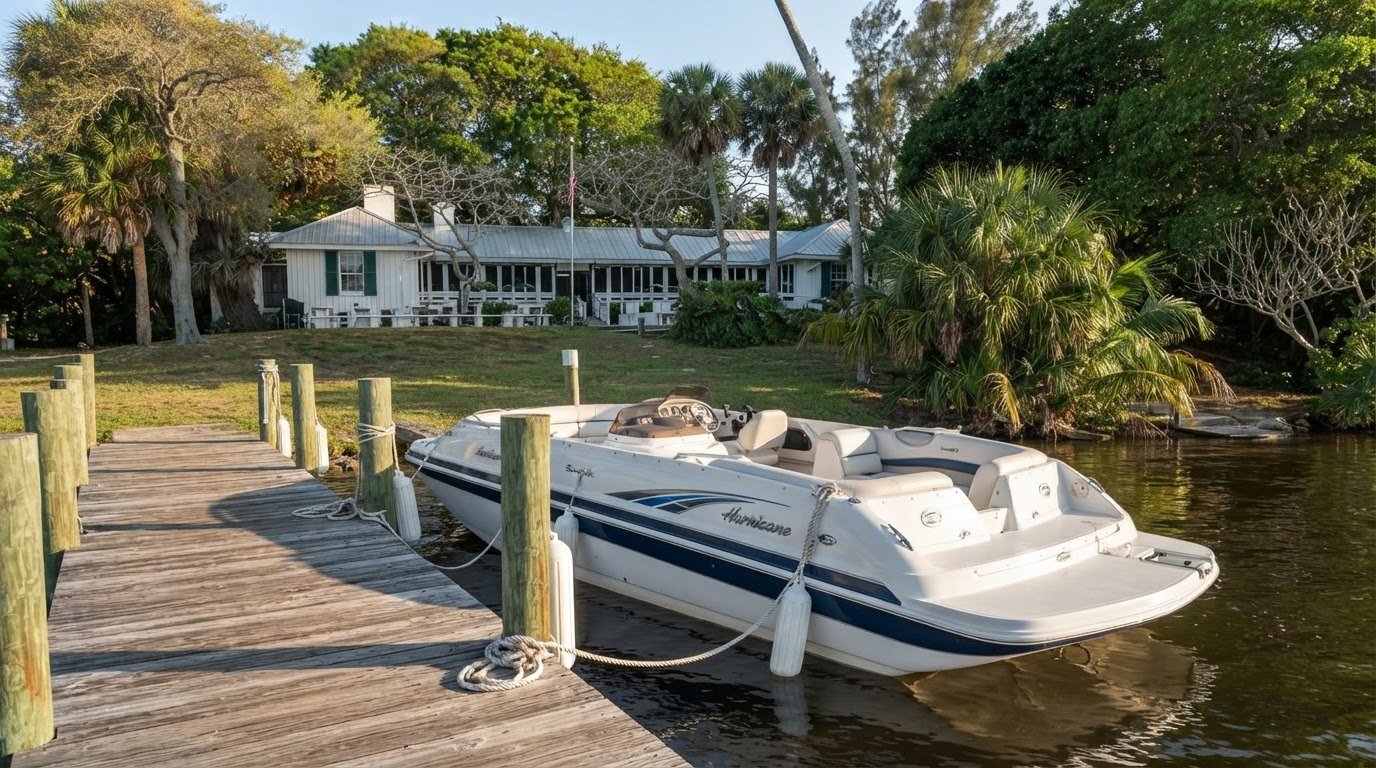
For longer outings, RPM Rentals LLC also offers Multi Day Boat Rentals. The fleet includes the Hurricane Sundeck (24ft), Manitou Aurora LE 230 Tritoon (24 ft), and Boston Whaler 15 Super Sport. Choosing a boat is separate from understanding coverage, so keep the rental terms in view as you plan your trip.
Contact RPM Rentals LLC to discuss a boat rental for your plans.
Plan your next outing with confidence
Use the planning stage to choose the kind of day on the water that suits you. Consider your route, who will be aboard, and who is comfortable operating the boat. Understanding what happens if you damage a rental boat can help you make careful choices before departure.
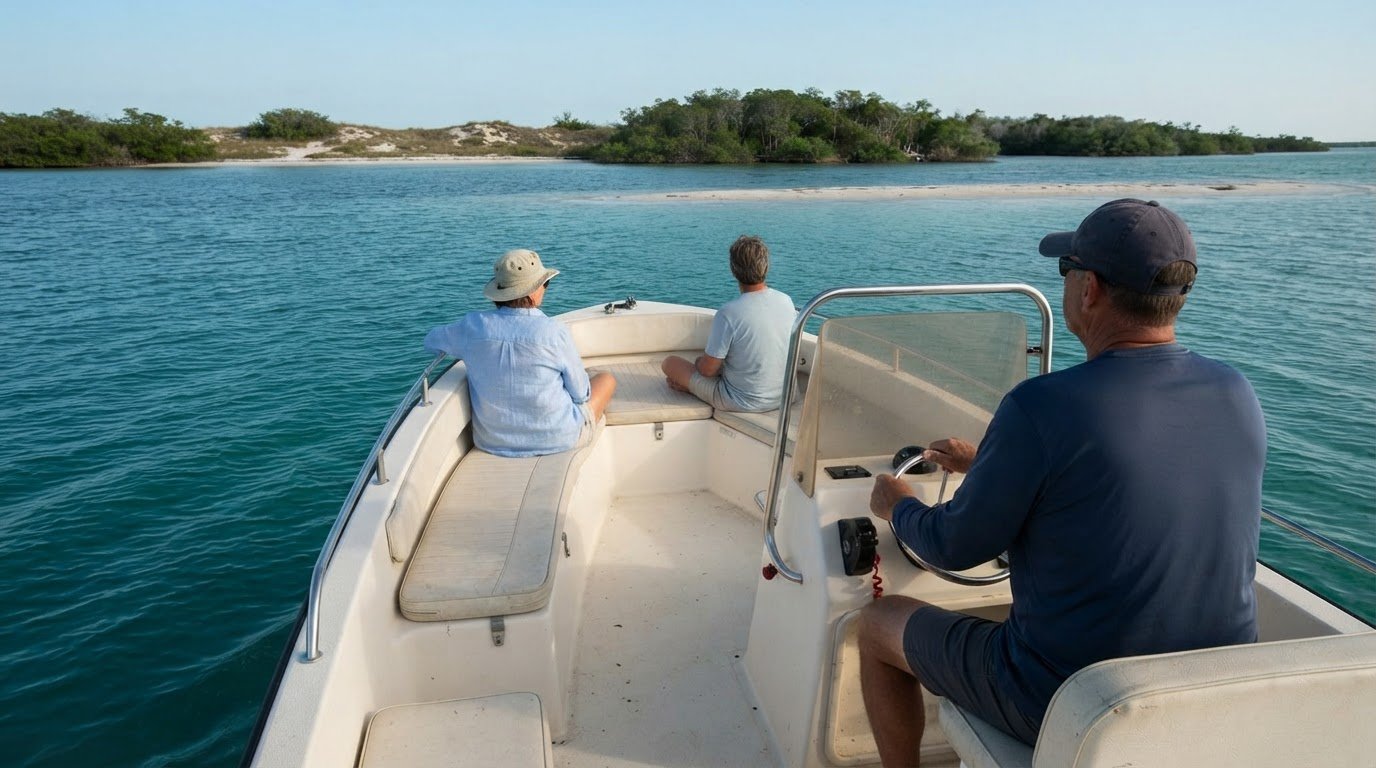
Before heading out, make a plan with everyone joining you. Agree on who will operate the boat and how the group will respond to changing conditions or an unexpected stop. Clear expectations help keep the outing organized and everyone focused on enjoying time together.
If you’re planning a Southwest Florida boat outing, contact RPM Rentals LLC with questions and discuss the option that fits your plans. A little preparation can help you head out feeling ready to enjoy the day.
Frequently Asked Questions
Are there any types of damage that rental companies typically don't charge for?
Renters generally aren’t charged for pre-existing damage, normal wear and tear, or damage beyond their control. A faint mark recorded before departure differs from a new impact during the rental. The key is whether the condition existed beforehand and whether it resulted from ordinary use. Compare the return inspection with the boat’s documented starting condition to clarify the difference.
Can You File a Rental Boat Accident Claim If You Were Driving?
Yes. Being at the controls doesn’t automatically prevent you from filing a claim, but it doesn’t determine who pays either. The cause of the incident, the damage, and the rental agreement all matter. If you report a collision, document what happened and follow the agreement’s claims process. Keep a factual account and distinguish damage to the rented boat from injury or third-party property claims.
Does Your Personal Insurance Help?
Often, personal policies don’t cover rental boats. Most personal insurance companies exclude them, including most homeowners and personal auto policies; most credit cards also lack boat-rental collision coverage. If you have personal boat insurance, review whether it extends to a rented vessel, which losses qualify, and whether it covers physical damage, liability, or both.
What happens if I can't immediately contact the rental company after an incident?
Address immediate safety needs first, then contact the rental company promptly. Record the time and location, describe what happened, and photograph visible damage when it’s safe. If another person was involved, preserve their relevant details and account of the event. Don’t hide or attempt to repair the damage yourself. A clear, prompt report helps document the incident.
Who is responsible for damage to a rental boat?
The renter is generally responsible for damage caused during the rental, except for pre-existing conditions, normal wear and tear, or damage beyond the renter’s control. The named renter may also face a claim if someone else operates the boat, particularly if that person wasn’t authorized under the agreement. Responsibility depends on the cause and contract terms, not simply on whose hands were at the controls.
Does boat rental insurance cover accidental damage?
It can, if the specific policy or rental agreement covers accidental damage to the rented boat. The terms define which incidents qualify, who may operate the vessel, and what exclusions or deductibles apply. RPM Rentals delivers boats to customers in Cape Coral, Naples, Estero Island, Bonita Springs, Punta Gorda, and Marco Island. Renters must complete the free U.S. Boating Safety Course before renting, using the link on the site.
What does a boat rental damage waiver cover and exclude?
A damage waiver can limit your responsibility for covered damage, but exclusions still matter. Boat rental waivers usually exclude gross negligence, intoxicated operation, and intentional damage. Some waivers may also cover lost rental revenue while a damaged boat is unavailable for repairs. Read the written terms for covered losses, exclusions, operator conditions, and any deductible. The word “waiver” alone doesn’t explain which costs are included.
How much can a renter be charged for boat damage?
There isn’t one fixed cap: without a damage waiver, a renter can be responsible for all damage, even if repair costs exceed the deposit. The final charge depends on the damage assessment, applicable coverage, exclusions, and agreement terms. A deposit may go toward repairs, while uncovered costs can remain payable. Review an itemized assessment against the contract to understand how each charge was calculated.
Comments