
Private Boat Shelling Tours in Cape Coral and Nearby Islands
Early morning, especially at low tide, is the best time to look for shells near Cape Coral. A private boat trip can offer a chance to explore nearby shorelines, and shells, sand dollars, or sea stars with living creatures should be left in the water.
It’s natural to hope you’ll find a special shell to take home. Knowing when to go and what to leave behind helps make the outing enjoyable while respecting wildlife along the shore.
This guide explains where private boat tours may go, what can shape the trip’s length, and how timing and tides affect your chances of finding shells. You’ll also learn how to handle live finds and what to expect from a shelling and sightseeing charter, so you can plan a relaxed day on the water.
Table of Contents
Private shelling and sightseeing boat tours
A private boat outing can pair a shoreline stop with sightseeing around Cape Coral. The route, time ashore, and wildlife viewing all shape the experience.
A private outing is planned for your booking party, so you can focus on your group’s priorities. A ferry serves transportation needs, while a group tour follows an outing planned for its passengers.
Custom Tours and Special Requests
Start by choosing the main focus: collecting empty shells, viewing wildlife, or balancing both. Share practical requests, such as spending more time walking the shore or keeping the outing suitable for children. These details help shape the route and pace. Turtles and manatees may be seen on a Cape Coral wildlife outing, but sightings vary.
Consider how much time your group wants ashore before setting expectations for sightseeing. A shelling-focused plan prioritizes shoreline exploration; a sightseeing-led plan gives more attention to the boat ride and wildlife. Clear priorities help the captain plan a trip that suits your group.
What the Trip Includes
A private shelling outing combines boat transportation, time at a shoreline, and the chance to explore nearby scenery. The route and activities depend on the trip plan, so consider what matters most to your group: shell hunting, wildlife viewing, or a mix. Families, for example, may prefer a relaxed pace with time to walk and look closely.
Bring a small container for empty shells, and leave live finds in the water. Florida law protects live shells, sand dollars, and sea stars containing a living creature. Check each find carefully, and return any living creature to the water rather than taking it ashore.
Departure Points and Parking
Private boats depart from Cape Coral-area launch points or marinas, depending on the charter’s arrangements. The departure address determines where you meet the captain, so use that location when planning your drive.
Parking depends on the departure site and its access arrangements. A public launch area and a private marina, for example, may have different parking setups. Include the departure point in your route plan, and allow time to unload beach gear before boarding.
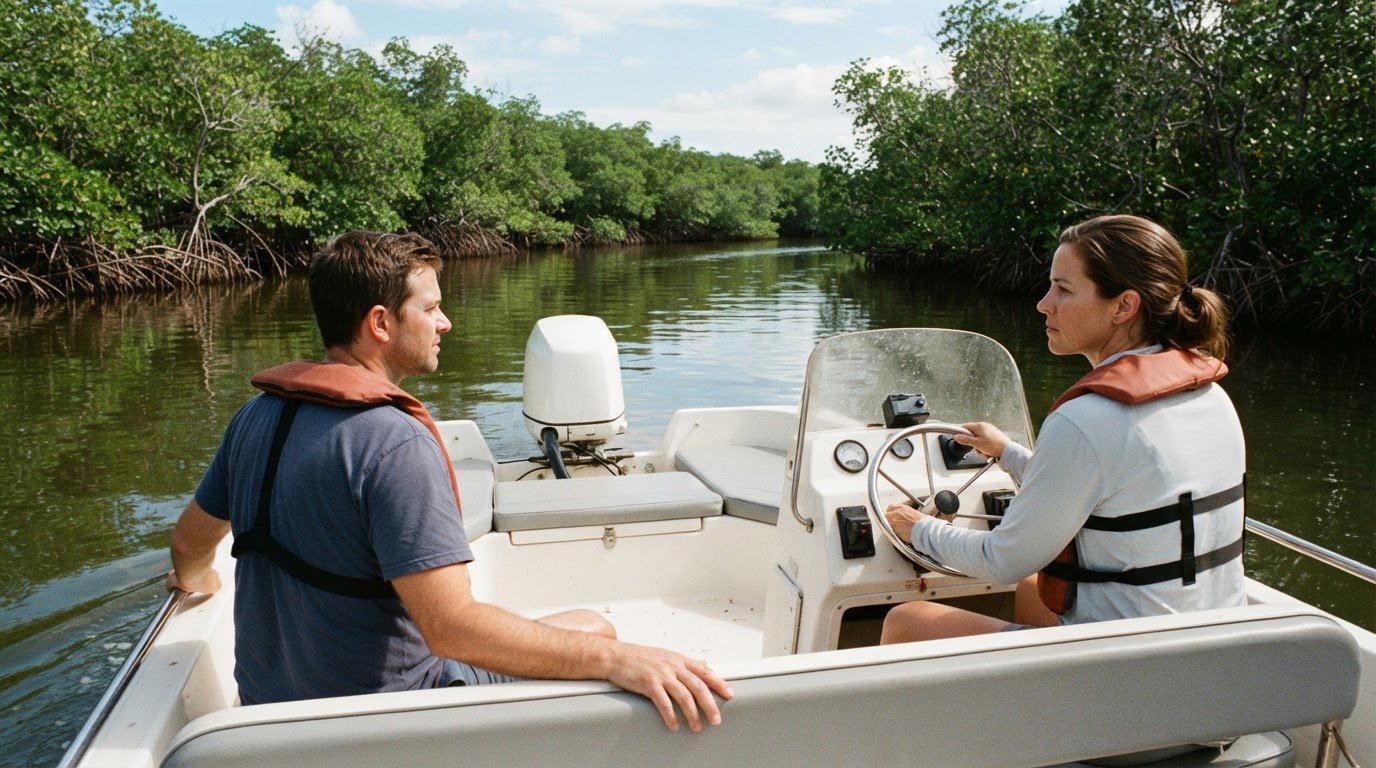
Weather and water conditions affect comfort, visibility, and the route. Wind, changing waves, and reduced visibility can make a trip less comfortable, while shallow areas require careful navigation. Follow the captain’s instructions when boarding, moving around, or stepping ashore.
Wildlife calls for attentive behavior, too. Turtles and manatees may appear during a Cape Coral wildlife outing, so watch from a respectful distance and avoid disturbing them. On shore, check each shell before collecting it. If it contains a living creature, leave it in the water.
Shelling locations around Fort Myers and nearby islands
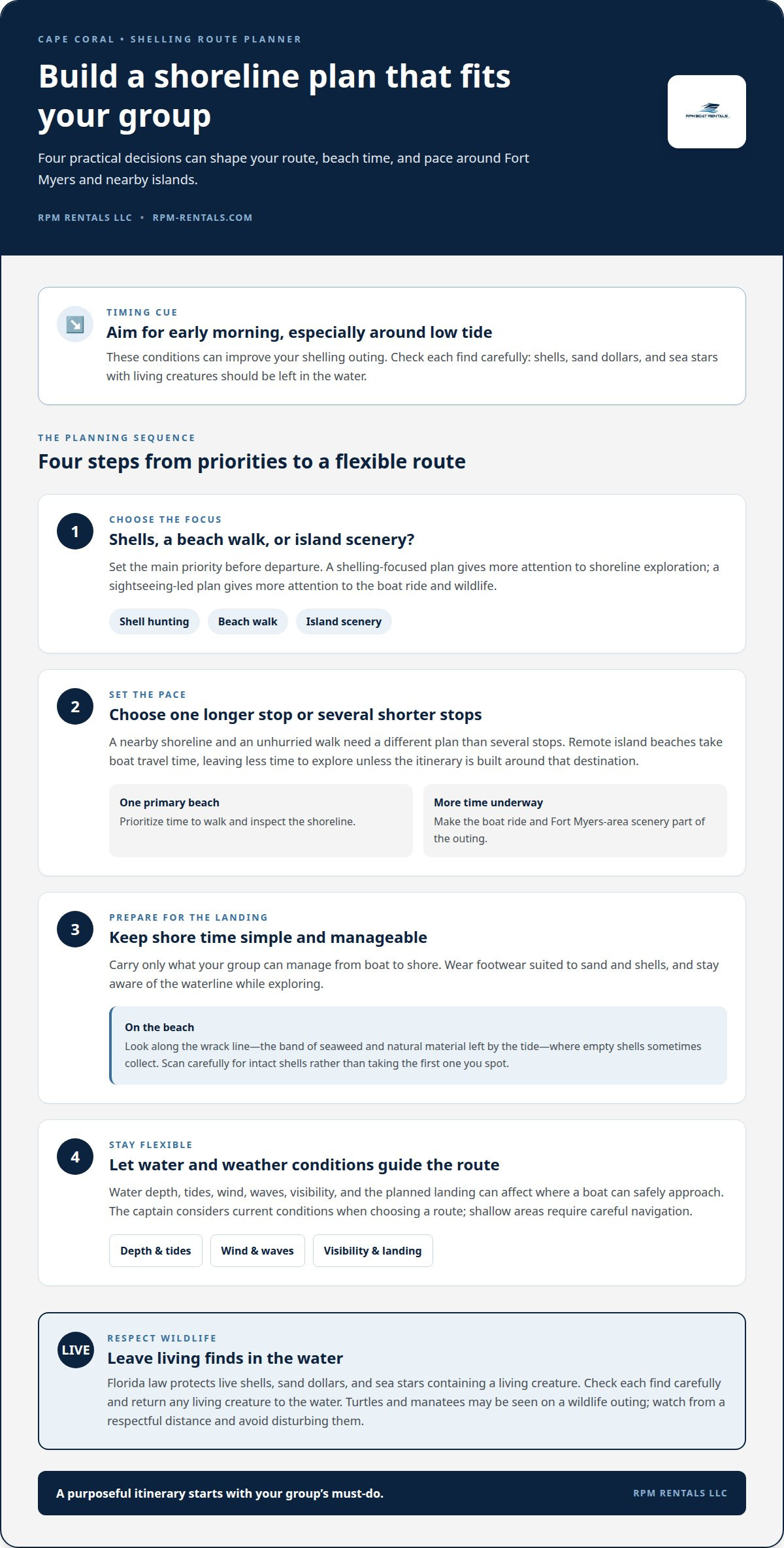
From Cape Coral, shelling routes can head toward shorelines around Fort Myers and nearby islands. The best stop depends on your priorities: easy access, time for beachcombing, or a quieter stretch of coast. A private itinerary can focus on one landing rather than treating every shoreline as interchangeable. Before setting out, decide whether shell collecting or exploring island scenery matters most to your group.
Nearby island beaches offer a different experience from Cape Coral’s waterfront. A boat can reach coastal stretches where you can walk the beach and inspect the wrack line, the band of seaweed and natural material left by the tide. Empty shells sometimes collect there. Scan carefully, looking for intact shells rather than taking the first one you spot.
Fort Myers-area routes can also include sightseeing between shoreline stops. This suits groups who want the boat ride to be part of the outing, not just transportation to a beach. Decide whether you’d rather spend more time ashore or see more scenery from the water. That choice helps shape the route and time allocated for each stop.
Remote island beaches suit visitors looking for a more secluded-feeling break from developed waterfront areas. Reaching them takes boat travel time, so a distant stop leaves less time for walking unless the itinerary is built around that destination. Keep the plan practical: choose one primary beach, allow time to explore, and treat extra stops as optional.
Access and conditions matter as much as a destination’s name. Water depth, tides, wind, and the planned landing affect where a boat can safely approach. The captain considers those conditions when selecting a route around Cape Coral and Fort Myers. On the beach, wear footwear suited to sand and shells, and stay aware of the waterline as you explore.
Use these steps to choose a location plan:
Set your priority: shell hunting, a beach walk, or island scenery.
Choose a pace: one longer stop or several shorter sightseeing stops.
Plan for the landing: carry only what your group can manage from boat to shore.
Stay flexible: let current water and weather conditions guide the final route.
A family focused on beachcombing, for example, may prefer one shoreline stop and an unhurried walk. A group keen to explore the Fort Myers coast may prefer more time underway. Either way, identify your must-do before departure. That decision helps turn nearby islands into a purposeful itinerary rather than a string of stops.
Tour duration and minimum booking time
Time on the water shapes how much of the Fort Myers area fits into a shelling outing. Plan around your preferred beach time, route, and pace rather than assuming every trip follows the same schedule.
Tour Duration Options
A trip’s duration determines how much time remains for travel, sightseeing, and a beach stop. A nearby shoreline and one unhurried walk call for a different plan than an itinerary with several stops. List your priorities first, then consider how travel time affects the hours available ashore.
A group focused on beachcombing, for example, might prefer one destination and a slower pace. A group interested in seeing more of the Fort Myers coastline may want to balance shoreline time with sightseeing. These are planning approaches, not set tour lengths. The route, landing conditions, and time spent exploring all influence the day.
Ask how the booked period is counted, including departure, travel, and time ashore. That distinction helps you understand the usable beach time before choosing an itinerary. If your group has a specific return time, include it in the schedule discussion from the start.
Minimum Booking Time
The minimum booking time is a term of the specific trip, not a fixed duration for every Cape Coral outing. It sets the shortest period you can reserve and helps determine whether your plan can include both travel and time on a beach. Compare that minimum with your group’s priorities before settling on a schedule.
For a short outing, focus on one nearby stop and keep the plan simple. A more ambitious route needs enough time for the boat ride and shoreline visit. Decide which part matters most, then use that priority to assess whether the booking period fits your plan.
Rates and durations go together because the booked period, route, and boat affect the overall arrangement. The price depends on the trip and is given after a quote request; factors include duration, route, and the selected boat. Compare the itinerary and booking period, not just the time spent walking on shore.
Before planning, write down three details: your preferred departure time, desired beach time, and return deadline. Add a destination or area, such as a nearby Fort Myers shoreline, if you have one in mind. These details give the captain a practical starting point for shaping the route.
Then discuss how the schedule can adapt to changing conditions. Wind, water, and access at a landing can affect the route, so leave room to adjust the stop. If a fixed return time matters, make that clear when discussing the itinerary.
A useful approach is straightforward: match the minimum booking period to your preferred route, then consider whether enough time remains for your main activity. One beach stop with a relaxed walk calls for a different schedule than several sightseeing stops. This helps you choose a trip length that suits your plans without relying on assumed standard durations.
Best timing for shelling
For shelling near Fort Myers, early morning, especially during low tide, is the best time to look. The tide changes how much shoreline is exposed, so timing can affect which areas you can explore. Plan your beach arrival around the tide rather than choosing a departure time alone. That small adjustment gives your group more time to search along the waterline.
Low tide can expose sections of beach that were covered earlier. Follow the newly revealed shoreline and scan the wrack line, where seaweed and natural material collect. Look for shells as you walk instead of crowding around one patch. If your group finds an appealing stretch, slow down and search carefully before moving on.
Early morning also gives you a clear starting point for the day’s plan. Set your priorities before leaving Cape Coral: arrive early to focus on beachcombing, or leave more room for sightseeing during the boat ride. A group keen to search the shore, for example, can make that the first activity, then enjoy a relaxed return trip.
Use a local tide table to identify a low-tide window, then coordinate the outing so travel time fits around it. The tide at your beach matters more than the time you leave home. Depending on the route and landing point, an early departure may still bring you ashore after the best window.
Choose the search window: aim for early morning and low tide.
Plan around the landing: allow for the boat ride before your beach search begins.
Pick a search area: start at the waterline and follow the wrack line.
Keep the pace flexible: spend longer on a productive stretch instead of rushing onward.
Wind and weather affect comfort on the beach and during the ride. Check conditions for the planned outing, and bring sun protection and drinking water for time ashore. If clouds or changing water conditions affect the route, follow the captain’s directions and adapt the schedule. Leave room to enjoy the shoreline rather than trying to fit too many stops into one outing.
Season alone doesn’t determine the best hour for a shelling walk. Tide phase, beach access, and your route determine when you reach the shore. A later low tide, for instance, may suit a sightseeing-led itinerary better than an early landing. Match the outing to the tide and your group’s priorities, then allow time for an unhurried search.
Before departure, agree on a simple plan: when you want to reach the beach, how long you want to walk, and whether shelling or sightseeing comes first. That sequence helps everyone understand the day. Early morning at low tide is the clearest starting point for finding a favorable shelling window near Fort Myers.
What is included in a Cape Coral private shelling boat trip?
A private shelling outing combines a boat ride with time to explore a shoreline. The route, beach stop, and sightseeing focus shape the day.
Think of the trip in three parts: the ride, the landing, and your time ashore. Each affects what to bring and how to use the booked time. A longer ride, for example, may leave less time for beachcombing, while a simple route can prioritize a shore walk.
Before boarding, make a short plan with your group. Choose whether shelling, island scenery, or wildlife viewing comes first. Then decide how much walking feels comfortable and what you can carry from boat to beach. These choices make the day’s priorities clear.
Boat ride: travel between the departure point and selected shoreline.
Shoreline time: walk, scan the wrack line, and enjoy the beach stop.
Sightseeing: observe the coast and look for wildlife along the route.
Personal preparation: bring water, sun protection, and suitable footwear.
Pack for both the boat and the beach. A small bag is easier to manage than bulky gear when stepping ashore. Water, a hat, sunscreen, and footwear suited to sand help keep the outing comfortable. Bring a container only for empty shells you choose to collect.
Check shells carefully before putting them in a container. Florida law protects live shells, sand dollars, and sea stars containing a living creature. Leave those finds in the water. This simple step protects wildlife while letting your group enjoy the search.
Wildlife viewing can add another element to a Cape Coral outing. Turtles and manatees may be seen during a local wildlife trip. Keep your attention on the water, follow the captain’s directions, and give animals space. Observe a sighting without approaching or disturbing wildlife.
Conditions shape the route and shore access. Wind, waves, and water depth influence where a boat can travel or land. The captain may adjust the itinerary to suit conditions, so keep essentials accessible rather than packed beneath beach gear. Follow instructions when boarding, moving aboard, and entering or leaving the boat.
Use a simple checklist before leaving home: water, sun protection, beach footwear, and a small collection container. Keep personal belongings manageable, and agree on your group’s main activity before departure. To plan a Cape Coral shelling outing, build your preferred balance of beach time and sightseeing into the trip plan.
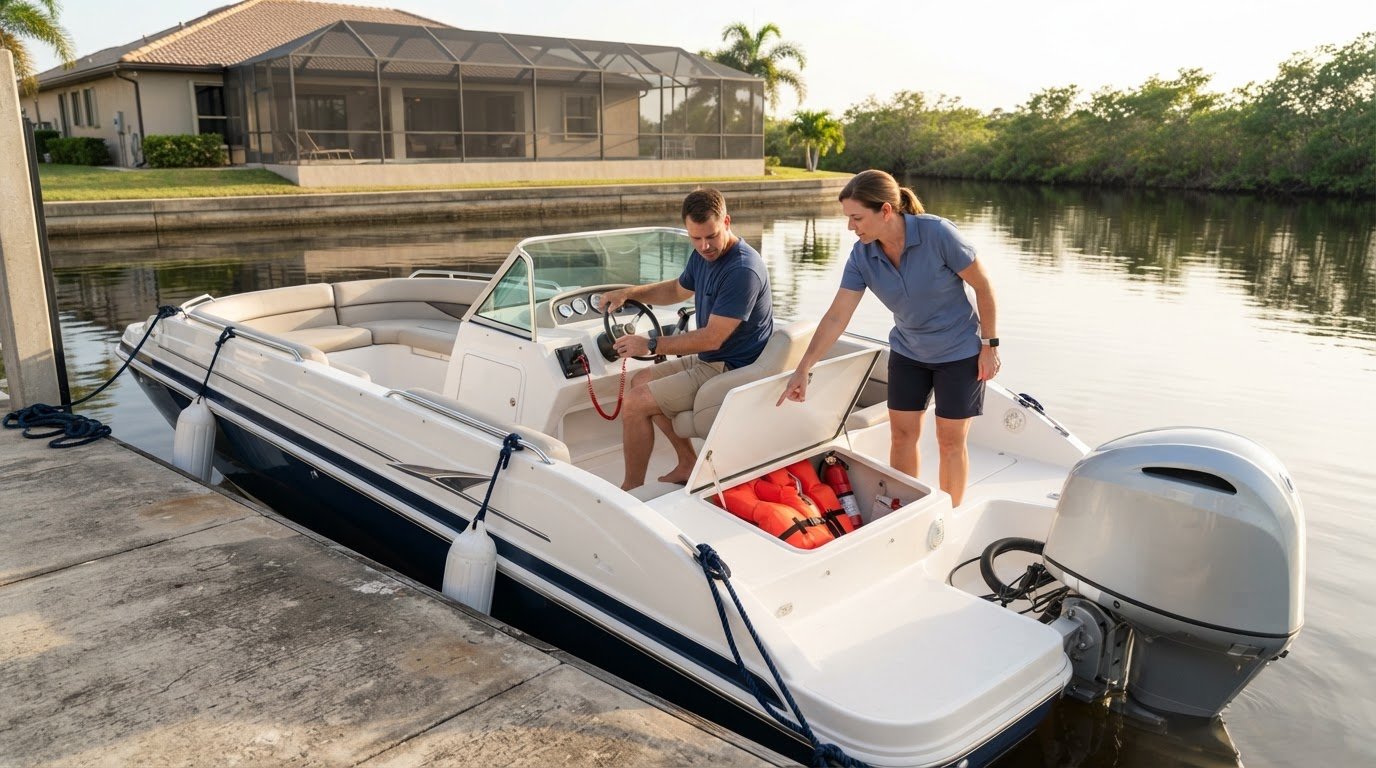
RPM Rentals: Robalo R200 (21ft)
RPM Rentals LLC offers the Robalo R200 (21ft) for visitors who want a boat for a multi-day stay in Southwest Florida. This option suits travelers planning their own outings from a waterfront residence or vacation property, rather than booking a single captained shelling excursion. Choose it when you want a vessel available over several days and prefer to plan your time on the water independently.
RPM Rentals LLC also offers the Hurricane Sundeck (24ft), Manitou Aurora LE 230 Tritoon (24 ft), and Boston Whaler 15 Super Sport. Consider which listed boat best fits your plans, then explore the available multi-day rental option. For a guided shelling outing, the separate shelling and dolphin sightseeing charter is the relevant service.
Visit rpm-rentals.com to explore boat options and next steps.
Make your Cape Coral boat day your own
Before choosing an outing, decide what would make the day feel complete for your group. You might want a quiet beach walk, time to explore the coastline, or a balance of both. That preference can guide your plans and help keep the day focused on what matters to you.
If you’re planning a shelling trip by private boat in Cape Coral, take a moment to consider your priorities and the experience you want on the water. A clear starting point makes it easier to plan an outing around your needs, whether you’re visiting with family or sharing the day with friends.
RPM Rentals LLC offers boating options for Southwest Florida visitors, including captained shelling and dolphin sightseeing charters. For a boat you can use across a longer stay, its multi-day rentals offer a separate way to plan time on the water. Choose the option that fits the kind of experience you have in mind.
Contact RPM Rentals to plan your tour, and take the next step toward a day on the water that feels right for your group.
Frequently Asked Questions
Can I keep the shells I find?
You can keep empty shells, but leave any shell, sand dollar, or sea star in the water if it contains a living creature. Florida law protects those living finds. Check each shell before placing it in a collection bag, and return any living creature gently to the water. If you’re unsure whether a shell is occupied, leave it where you found it.
Can kids join the shelling tour?
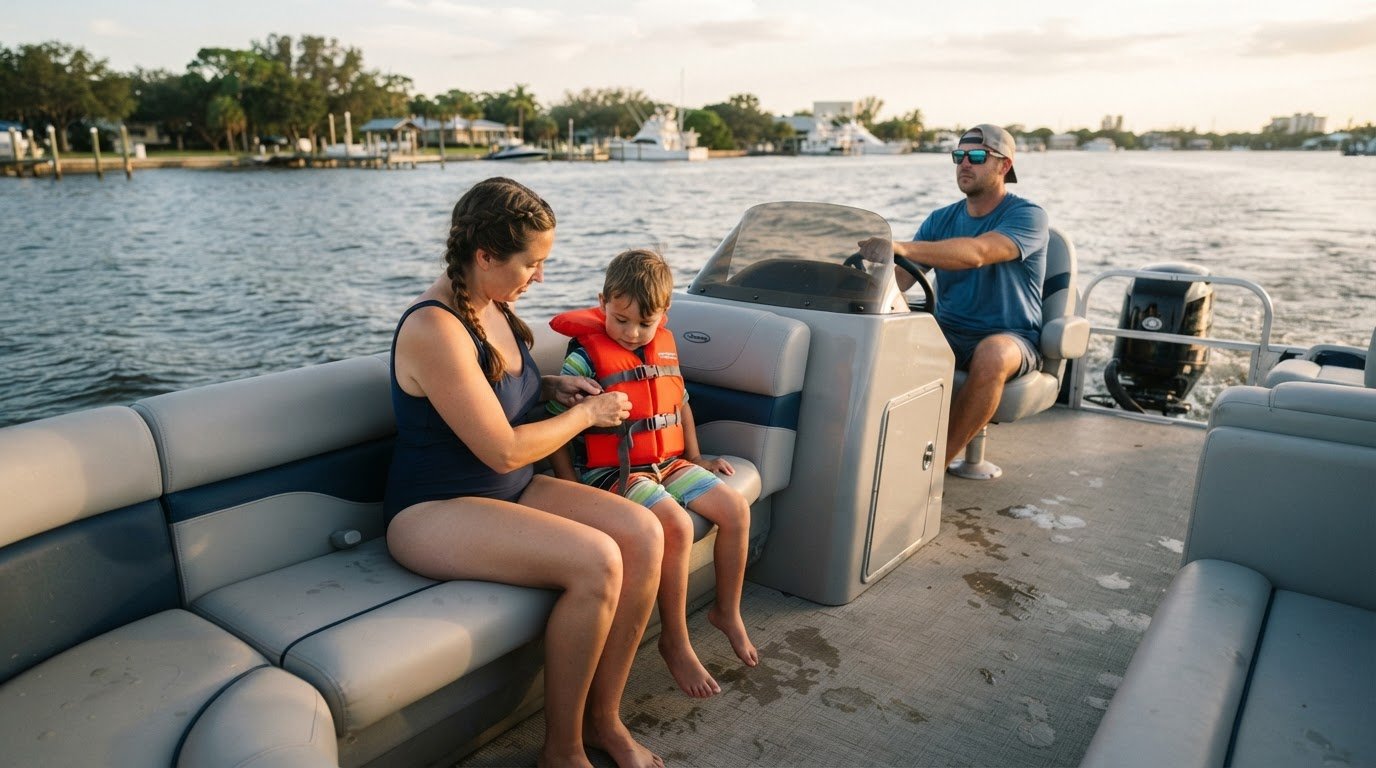
Families can plan a private shelling outing with children, with the pace and beach stop suited to their needs. Allow time for shorter walks and breaks rather than planning only around adult beachcombing. Bring sun protection, drinking water, and footwear suitable for the shoreline. Keep children close when boarding, moving around the boat, and exploring near the water.
Do I need to bring equipment for the shelling trip?
Bring personal beach essentials rather than relying on specialized shelling equipment. A small bag, drinking water, sun protection, and comfortable footwear can make time ashore easier. A lightweight container is useful for empty shells you’re permitted to collect. Keep belongings easy to carry from the boat to the beach, and avoid packing tools or bulky gear that could distract from the shoreline walk.
Where do shelling tours go?
Private shelling outings from Cape Coral head toward shorelines and nearby islands around the Fort Myers area. The captain plans the route around your priorities, travel time, beach access, and current water conditions. A group focused on beachcombing, for example, can make shoreline time central to the outing, while another may prefer a balance of beach exploration and coastal sightseeing.
What private boat shelling trips are available from Cape Coral?
RPM Rentals offers captained shelling and dolphin sightseeing charters for guests who want to explore local waters without operating the boat. It also offers multi-day rentals for visitors using a vessel during an extended stay, with delivery to your location in Southwest Florida. Service areas include Cape Coral, Naples, Estero Island, Bonita Springs, Punta Gorda, and Marco Island. Renters must complete the free U.S. Boating Safety Course before renting.
Which Cape Coral boat tours visit Sanibel, Captiva, Cayo Costa, or nearby shelling beaches?
Private shelling and dolphin sightseeing outings explore local waters and nearby shorelines, but a specific island stop depends on the planned route and conditions. Sanibel, Captiva, and Cayo Costa are distinct destinations, so don’t assume one outing includes all three. Choose the beach area that matters most to your group, then plan around that priority and practical access.
How long are private shelling boat trips from Cape Coral?
Trip length depends on the route, boat travel time, and how long your group wants to spend ashore. A nearby beach stop with a focused shell search uses time differently from an itinerary with more sightseeing. Set your priorities before planning: name the beach activity you most want, decide whether sightseeing matters, and allow for travel between Cape Coral and your chosen shoreline.
What are the prices and fees for private shelling boat charters near Cape Coral?
The price depends on the trip and is provided after a quote request. The route, duration, and selected boat are among the factors that shape the quote. For a useful comparison, describe your preferred shoreline, how much time you want ashore, and whether you want sightseeing included. There are no reliable universal rates to apply to every private charter itinerary.
Comments